
FEATURE
City Extends Gas Detector Law Deadline to 2027
Legislation ties enforcement to the availability of approved detectors.
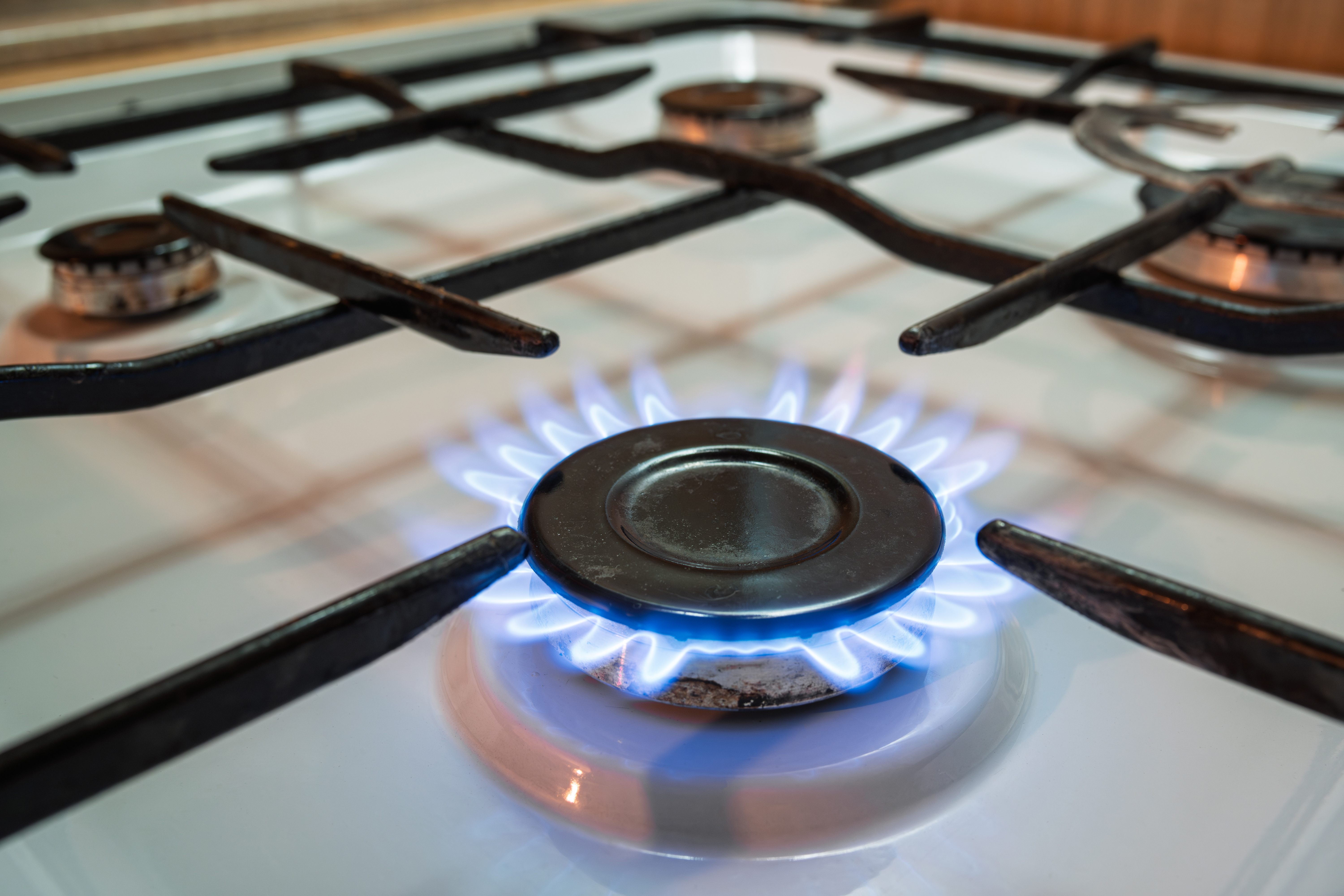
To enhance safety and prevent future gas-related disasters, New York City enacted a law requiring the installation of natural gas detectors in apartment buildings where gas-burning appliances are present. The law was created in direct response to deadly explosions, including the 2014 East Harlem incident that killed eight people and destroyed multiple buildings. The mandate calls for detectors that meet strict placement and certification standards. These detectors would provide early warning in the event of a gas leak.
Formally known as Local Law 157, the rule was passed in 2016 but wasn’t scheduled to take effect until May 1, 2025, due to the need for supporting updates to the city’s building code. Despite the long lead time, widespread supply shortages and logistical hurdles left many owners unable to comply. Recognizing these challenges, the City Council voted unanimously in June 2025 to postpone enforcement. Under the revised legislation, the earliest possible deadline is now Jan. 1, 2027. But there is the possibility of a further delay to 2029 depending on device availability.
Understanding Local Law 157
At its core, Local Law 157 requires natural gas detectors to be installed in every room with a gas-burning appliance. The detectors are intended to provide early warning of gas leaks, reducing the risk of explosions and giving residents and first responders time to act.
For compliance, installed detectors must meet the 2023 edition of NFPA 715, carry UL 1484 or UL 2075 certification, and conform to Section 908.13 of the NYC Building Code. Detectors must be installed on or near the ceiling, no lower than 12 inches below, and between 3 and 10 feet horizontally from each gas appliance.
Devices can be hardwired, plugged in, or battery-powered, but the city’s strict placement rules effectively eliminate plug-in units as a practical option. Outlets typically fall too low to satisfy the height requirement, leaving many owners with no choice but to install battery-powered models. Hardwired installations require licensed electricians and electrical permits, while battery and plug-in units may be installed by building staff or tenants if they meet code requirements.
Legislative Response to Supply Constraints
The most significant obstacle to compliance was product availability. Despite a growing number of listings for gas detectors online, almost none met all the necessary technical standards. As of spring 2025, only one unit, the DeNova Detect battery-powered gas detector, met all of the city’s requirements. The model retailed for $93.49, with the price climbing steadily over time. Even when available, delivery could be delayed by several months due to backorders. In a further blow to supply, a recall pulled back over 26,000 of the detectors from the market, deepening shortages just as the deadline was approaching.
These challenges left many owners and managers struggling to place bulk orders in time, and even those who acted early faced long lead times and installation logistics they couldn’t control. In response to these mounting frustrations, Bronx Council Member Eric Dinowitz introduced a legislation, Intro. 1281-A, to extend the compliance timeline. The measure advanced quickly after a City Council hearing revealed just how limited the market had become and how few viable detectors were available. Dinowitz emphasized that while public safety remained important, the city had to account for the lack of product availability and the potential financial burden on owners.
The City Council unanimously approved the bill in June 2025, and although Mayor Eric Adams didn't sign it, the bill became law through a procedural route. Specifically, the legislation was returned unsigned by the mayor on July 31, which means the mayor neither signed nor vetoed the bill within the required 30-day period. In such cases, the bill automatically becomes law.
Deadline Extension Details
The revised timeline establishes Jan. 1, 2027, as the earliest possible enforcement date. But that date is conditional. The Department of Buildings (DOB) must first determine that at least four different manufacturers offer compliant, battery-powered detectors. This market assessment must be completed and reported by July 1, 2026.
If the market remains constrained, with fewer than four manufacturers offering approved models, the DOB will be required to issue a rule extending the deadline again to Jan. 1, 2029. This mechanism was designed to avoid mandating compliance when there are too few tools available to meet the law’s requirements.
Even with the extension, owners remain responsible for compliance once the new date takes effect. They will bear installation costs and are expected to ensure devices remain in working condition. If a detector fails within one year, replacement must be handled by the owner at no cost to the tenant unless the failure resulted from damage caused by the occupant.
Though Local Law 157 doesn't require any formal filings with the city, enforcement will likely occur through tenant complaints, on-site inspections, or safety audits. Violations may carry fines and increase liability exposure in the event of a gas-related emergency.