

Feature
How to Protect Yourself When Emergency Access Is Needed
We give you six safeguards against tenants’ claims of false theft and privacy invasion.
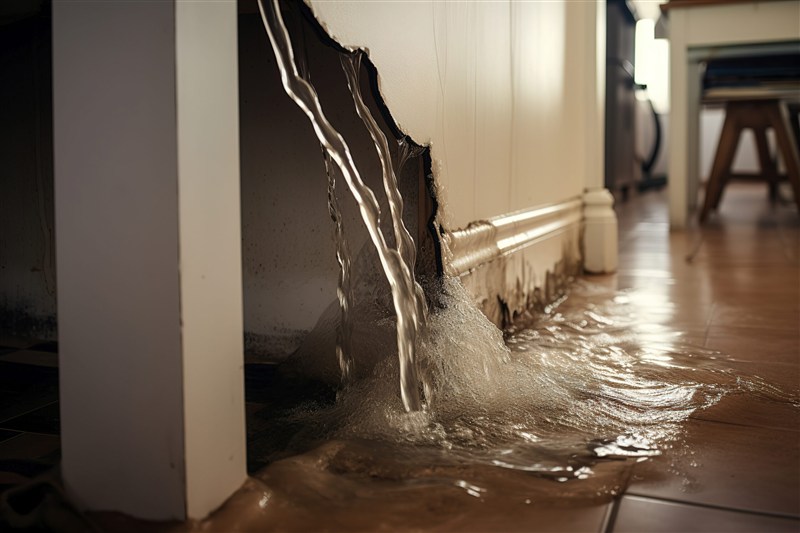
From time to time, you may need to enter a tenant’s apartment to inspect for defects or to perform maintenance tasks. But there may be some instances when you may need immediate access to an apartment for emergency repairs. A common dispute between owners and tenants involves the conflict between your right to enter an apartment and your tenant’s right to privacy.
Such a conflict may at times be exacerbated by unforeseen circumstances. For example, the COVID-19 health emergency, in effect during the period between March 7, 2020, and June 24, 2021, when the governor’s Executive Order declared a State of Emergency, may have presented questions at that time as to whether there could be reasonable grounds to refuse emergency access.
Fortunately, New York City’s Owner’s Right of Access Law, part of the Housing Maintenance Code found in Section 27-2008 of the Administrative Code, along with rent stabilization and rent control laws, give owners a right of entry under certain conditions. In the event of an emergency such as a gas or water leak, owners have the right to enter an apartment without notice.
Although you have the right to enter an apartment in an emergency, you should implement six safeguards to protect yourself from false theft and privacy invasion claims from problem tenants.
Emergency Access Basics
The NYC Owner’s Right of Access law prohibits tenants from refusing to allow the owner or the owner’s agent or employee to enter the tenant’s apartment for the purpose of responding to emergencies, making repairs or improvements required by law or regulation, and inspecting the apartment to determine whether it complies with applicable laws and codes. Failure to allow access for repairs or improvements required by the Housing Code is a ground for eviction.
No advance notice required. The NYC Owners Right of Access law requires owners to exercise their right of access at a reasonable time and in a reasonable manner. However, emergency repair access requires no advance notice to the tenant.
Qualifying emergency situations. Emergency situations are narrowly defined. “Emergency repairs” involve any repairs that are urgently needed to prevent injury or property damage. They may include situations involving gas leaks; water leaks from pipes, appliances, or roofs; smoke emanating from an apartment; and dangerous ceiling conditions.
Safeguard Your Emergency Repair Action
Here are six steps to consider and implement before and after entering a tenant’s apartment for an emergency.
Have accurate contact information on file. Every tenant should provide the owner with updated contact information in case of an emergency. The tenant should also provide an alternate contact in case the tenant isn’t reachable. When an emergency arises, try to contact the tenant to let him know about the emergency and what you’re doing to fix it. The tenant may have helpful information—such as the presence of pets or a possible source of leaks—that may assist you. Consider sending periodic notices to tenants that requests an update to contact information, including an email address, landline phone number, cell phone number, and information for an alternate contact person in case of emergency.
Use proper lease language. Although the law is on your side for entering a tenant’s apartment without notice for emergencies, your lease should include language that spells out your access rights. This ensures that your tenant is aware of these rights and that there is no misunderstanding between you and your tenant regarding access. For an example of appropriate lease language, see our Model Lease Language: Spell Out Your Access Rights, below.
Key access. To ensure access in case of an emergency, make sure your lease prevents tenants from changing the locks or adding additional locks to the apartment’s entry door. You don’t want to be in a situation where you have to break down a door to quickly remedy an emergency. The lease should also require a duplicate key for privately installed locks within the apartment. Our Model Lease Language provides for this step.
Call police. If the tenant isn’t home and time allows, the owner should contact the local police to inform them of the situation and request that they send an officer to be present when the owner or managing agent enters the apartment. For example, in the event of a gas leak where the building or other tenants may be in danger, having a trained professional on hand may be helpful.
There’s no guaranty that the precinct will send an officer, but it’s worth the attempt. When contacting the police, the owner should try to emphasize the seriousness of the emergency.
Have additional witnesses present. The owner or the person fixing the problem should have an additional witness present, such as the superintendent or the managing agent. A problem tenant may falsely claim theft or may have sabotaged property to be able to withhold rent. Or the tenant may prevent entry, thus exacerbating the damage from the emergency. In any of these situations, additional witnesses will help your case in court.
Leave a letter explaining emergency. If you have to enter a tenant’s apartment for an emergency and the tenant isn’t there, it’s a good idea to leave a letter explaining the circumstances, and the date and time of entry. It acts as a written record of your response to a true emergency that threatened life or property if it wasn’t corrected immediately. For an example, see our Model Letter: Inform Tenant of Emergency Entry, below.